
Idole de Shigir
The Shigir Idol is the oldest known monumental wooden sculpture in the world, carved from a larch tree by Mesolithic hunter-gatherers ~11,600 years ago (cal BP). Discovered in 1890 in the Shigir peat bog (Sverdlovsk Oblast, Urals), it is covered with geometric motifs and carved faces whose meaning remains unknown. Held at the Sverdlovsk Regional Museum in Yekaterinburg.
- Lieu
- Russia · Europe
- Civilisation
- Mésolithique de l'Oural
- Période
- ~−9600 (11 600 BP)
- Technique
- sculpture en mélèze (~5,3 m à l'origine), surface aplanie à l'herminette, décor géométrique (zigzags, chevrons) et au moins 7 visages anthropomorphes gravés
- Études
appui réel, pas tranché. Photographie révisable de l’état des recherches, jamais un jugement.
→ Situer sur la carteLes éléments du site
Où se trouve le site
57.381° N, 60.141° E · vue satellite
Ce que dit la science
Datation AMS Antiquity 2018 : échantillons internes du mélèze → ~11 600 cal BP (c. 9600 cal BC)
Datation AMS Quaternary International 2021 : révision à ~12 250 cal BP, repoussant l'âge de ~900 ans
Chronologie radiocarbone de la tourbière de Shigir : contexte stratigraphique mésolithique confirmé
Analyse dendrochronologique : 159 cernes préservés, bois de mélèze (Larix sp.), hauteur originale recalculée à ~5,3 m (reconstruction Tolmachev 1914)
Ce qui reste inexpliqué
Relié à
Études & sources
Continuer l’exploration
 En débat
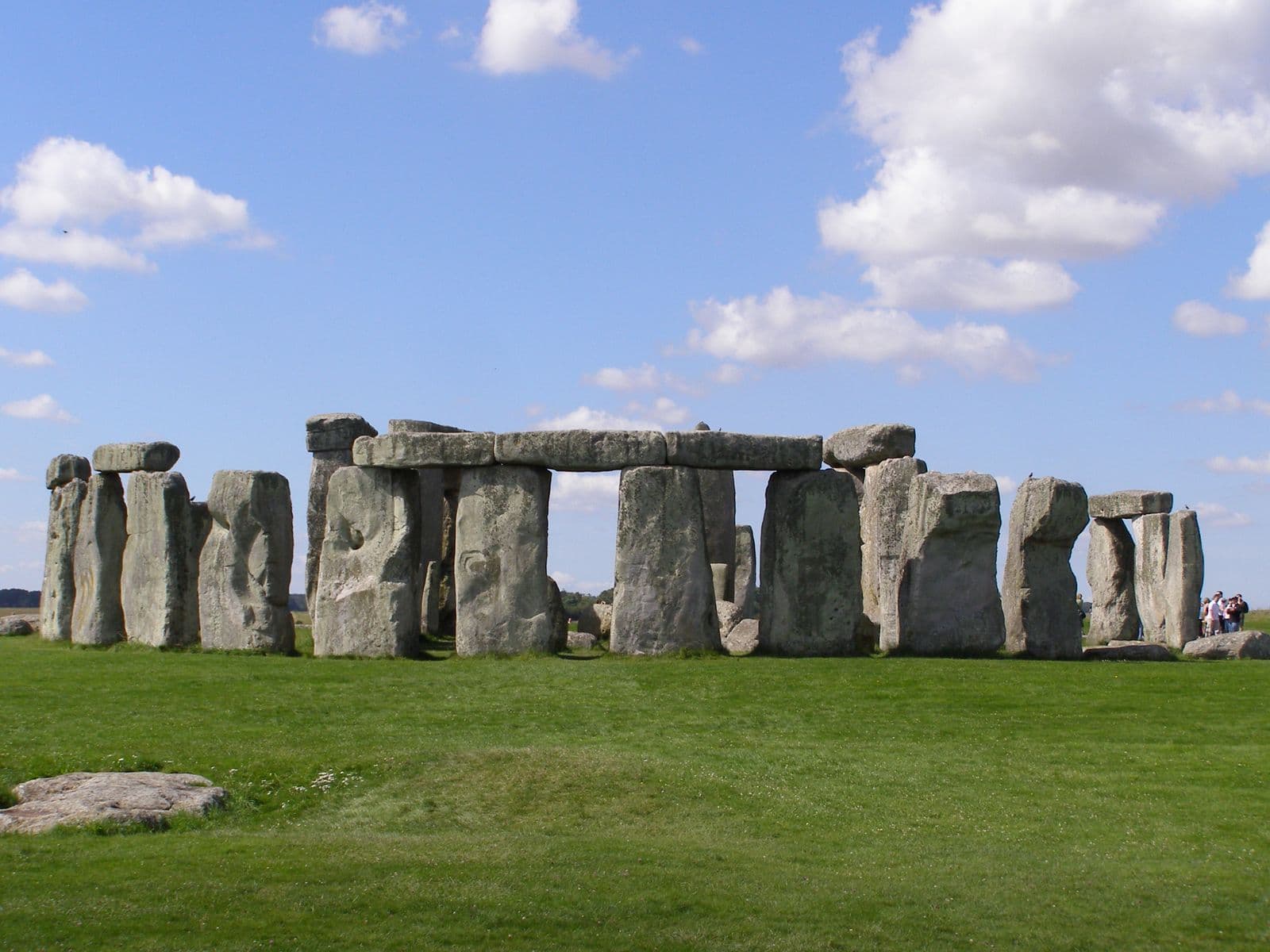
Stonehenge
The bluestones traveled 250 km from Wales. And the altar stone, from Scotland. Why those particular stones?
 En débat
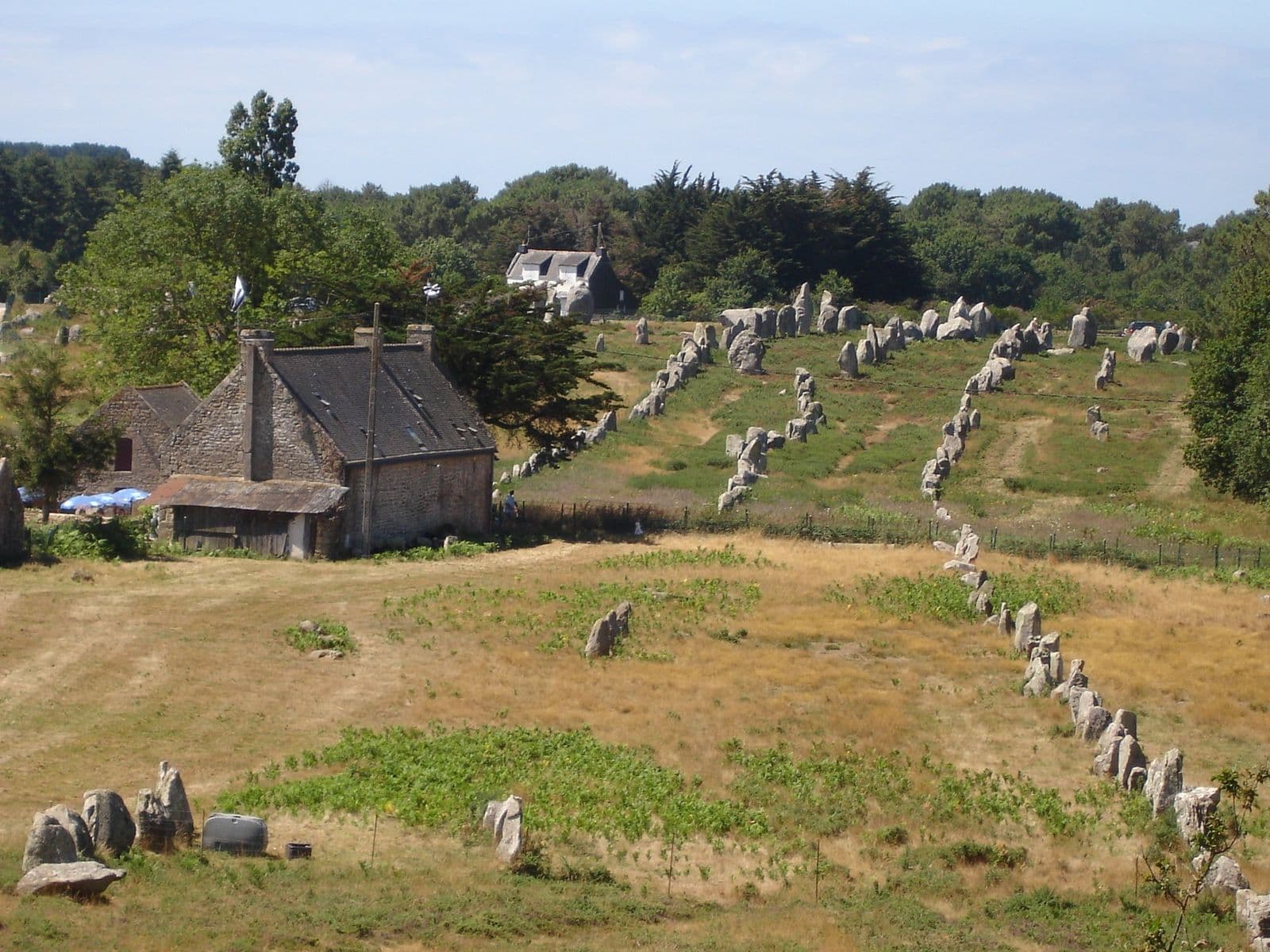
Alignements de Carnac
More than 3,000 standing stones in rows over ten kilometers. The largest megalithic complex in the world, dated between 4600 and 4300 BC — with no text to explain it.
 Consensus établi
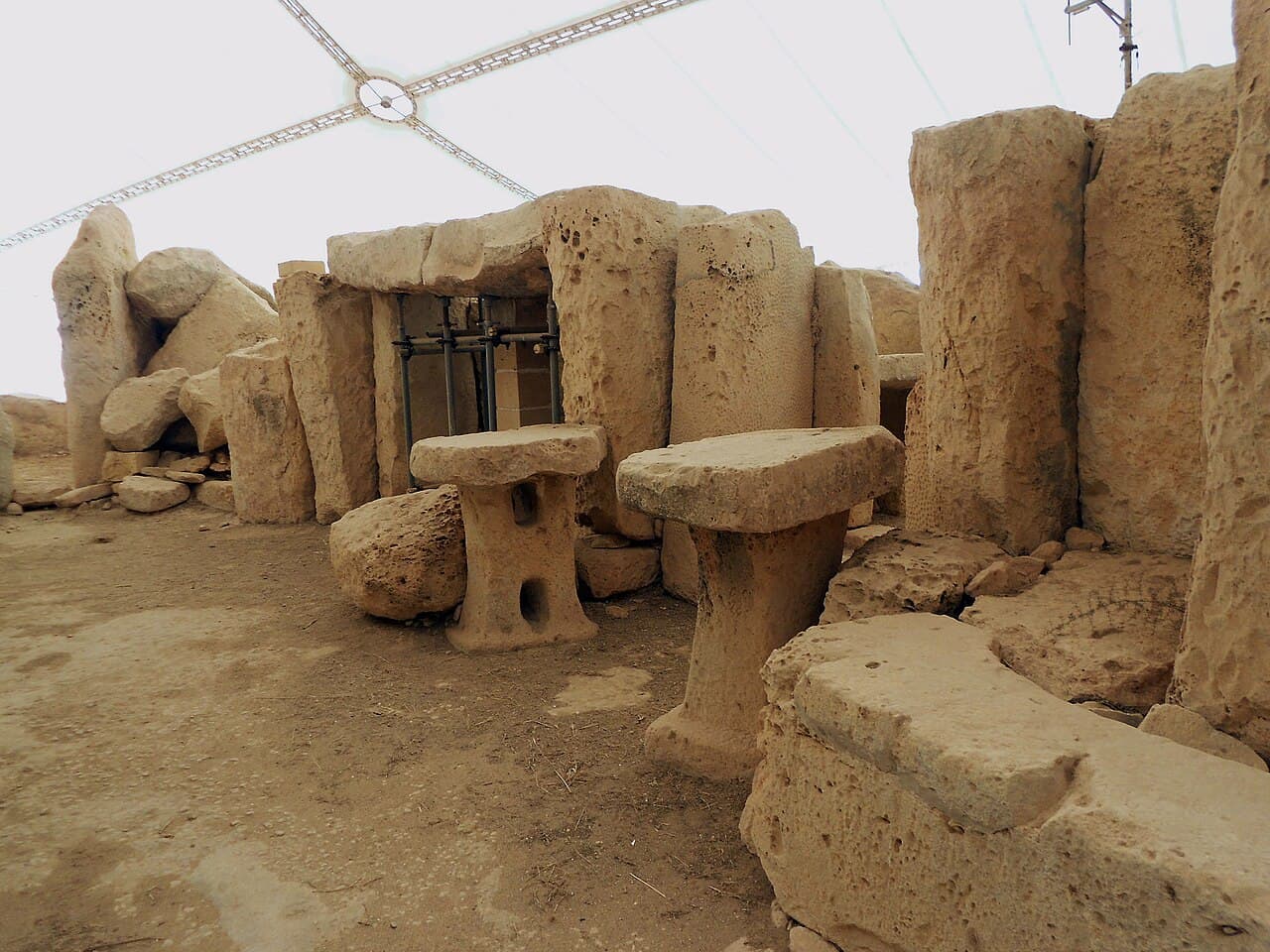
Ħaġar Qim
Temples older than Stonehenge, on an island with no rivers or forests. Two local limestones, zero metal, solar alignments at the solstice. Then the culture vanishes within two generations.