
Su Nuraxi di Barumini
Su Nuraxi di Barumini is the best-preserved nuraghe in Sardinia: a central tower from the 17th century BC, a four-tower bastion added during the Bronze Age, and a village inhabited for two millennia. Excavated between 1950 and 1957 by Sardinian archaeologist Giovanni Lilliu, it is the most complete expression of the nuragic civilization and was inscribed as a UNESCO World Heritage Site in 1997 (no. 833).
- Lieu
- Italy · Europe
- Civilisation
- Civilisation nuragique
- Période
- ~−1600 à −1200 (occupation jusqu'à l'époque romaine)
- Technique
- Nuraghe complexe : tour centrale à tholos en basalte (3 chambres superposées) + bastion à 4 tours + village de l'âge du bronze
- Études
appui réel, pas tranché. Photographie révisable de l’état des recherches, jamais un jugement.
→ Situer sur la carteLes éléments du site
Où se trouve le site
39.706° N, 8.991° E · vue satellite
Ce que dit la science
Datation : tour centrale construite en blocs de basalte entre le XVIIe et le XIIIe s. av. J.-C. (âge du bronze) ; occupation attestée jusqu'à l'époque romaine
Fouilles Giovanni Lilliu (1950-1957) : stratigraphie révélée, phases architecturales distinctes ; Lilliu, fondateur de l'archéologie nuragique moderne
Structure : tour centrale (3 chambres) + bastion à 4 tours reliées par un mur-rideau + cour intérieure avec puits + village de cabanes circulaires
UNESCO 1997 (n° 833) : critères (i), (iii), (iv) — exemple prééminent de l'architecture nuragique de l'âge du bronze en Sardaigne
Ce qui reste inexpliqué
Relié à
Études & sources
Continuer l’exploration
 En débat
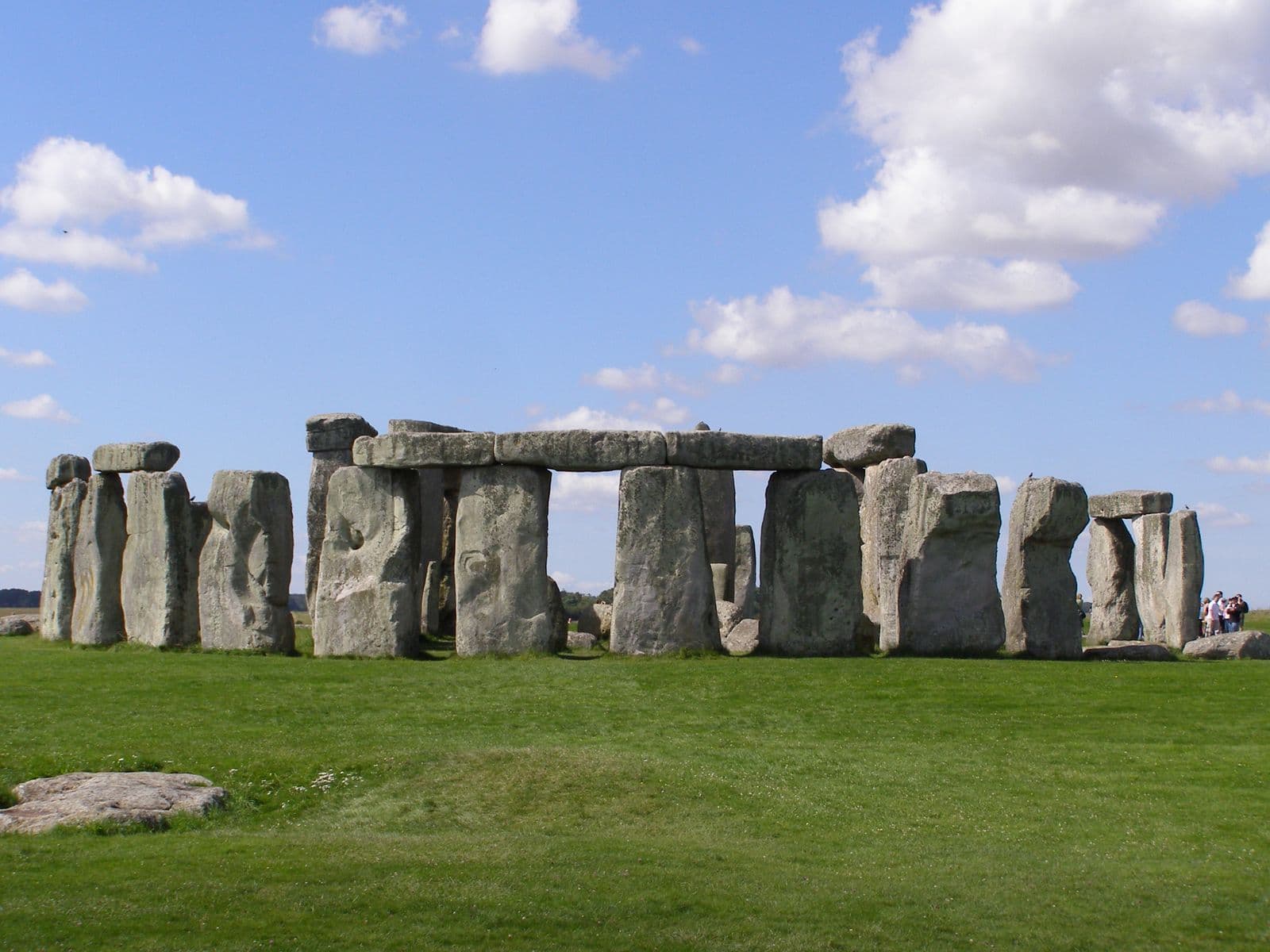
Stonehenge
The bluestones traveled 250 km from Wales. And the altar stone, from Scotland. Why those particular stones?
 En débat
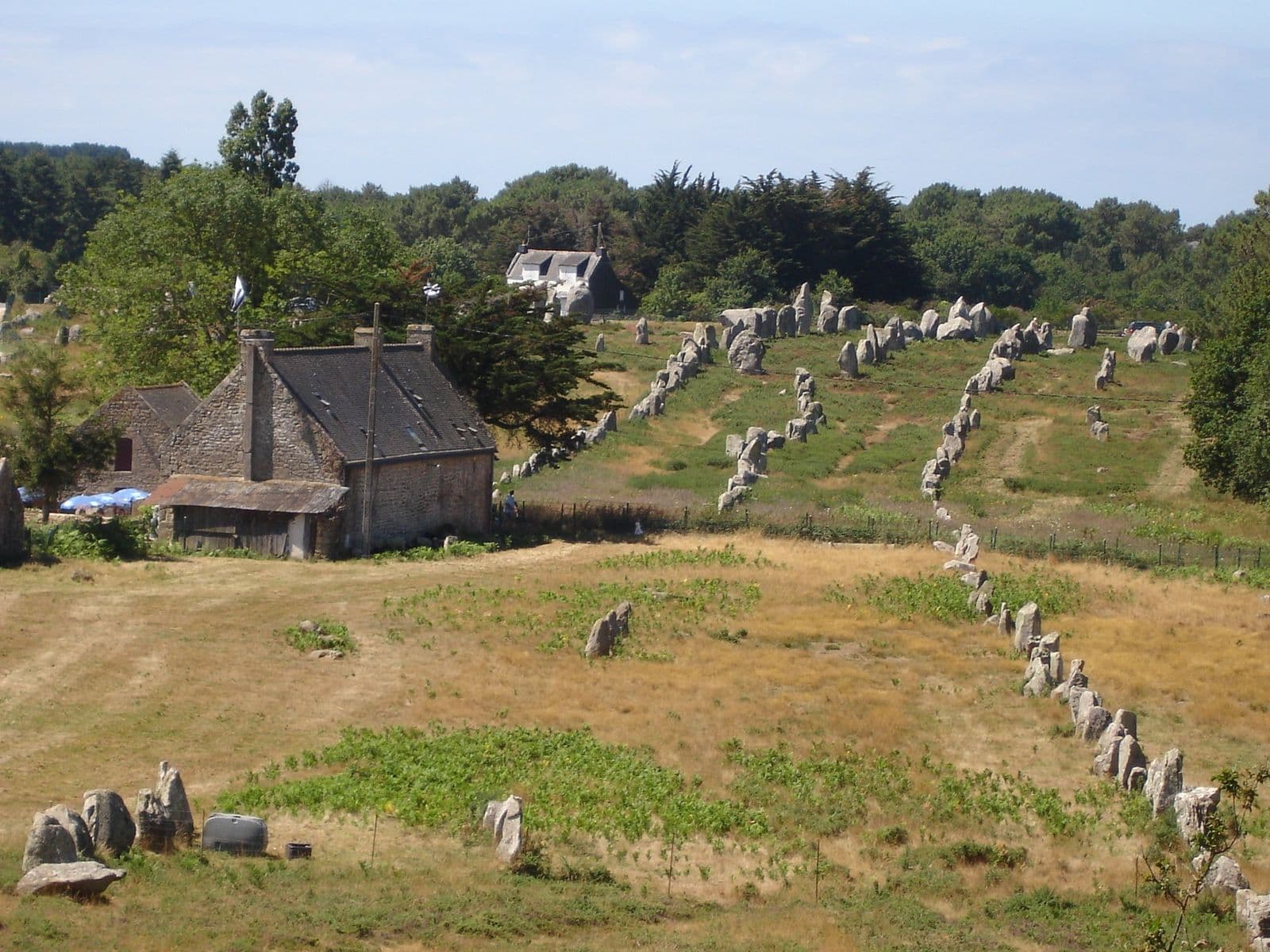
Alignements de Carnac
More than 3,000 standing stones in rows over ten kilometers. The largest megalithic complex in the world, dated between 4600 and 4300 BC — with no text to explain it.
 Consensus établi
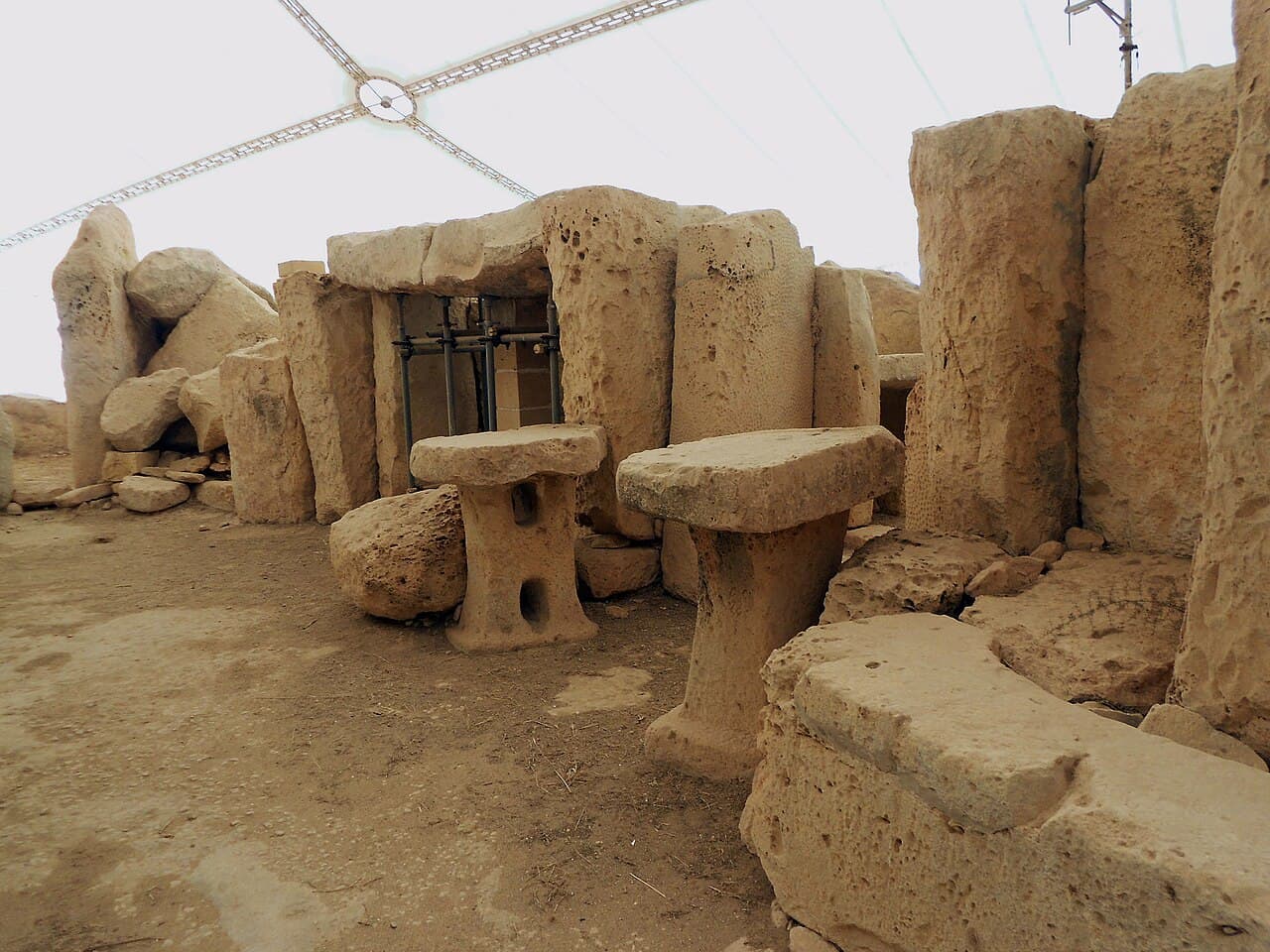
Ħaġar Qim
Temples older than Stonehenge, on an island with no rivers or forests. Two local limestones, zero metal, solar alignments at the solstice. Then the culture vanishes within two generations.